 MENU
MENUFEATURES
A Wake-Up Call We Can Still Answer with David Shukman
June 17, 2026 | Blog > Features > A Wake-Up Call We Can Still Answer with David Shukman
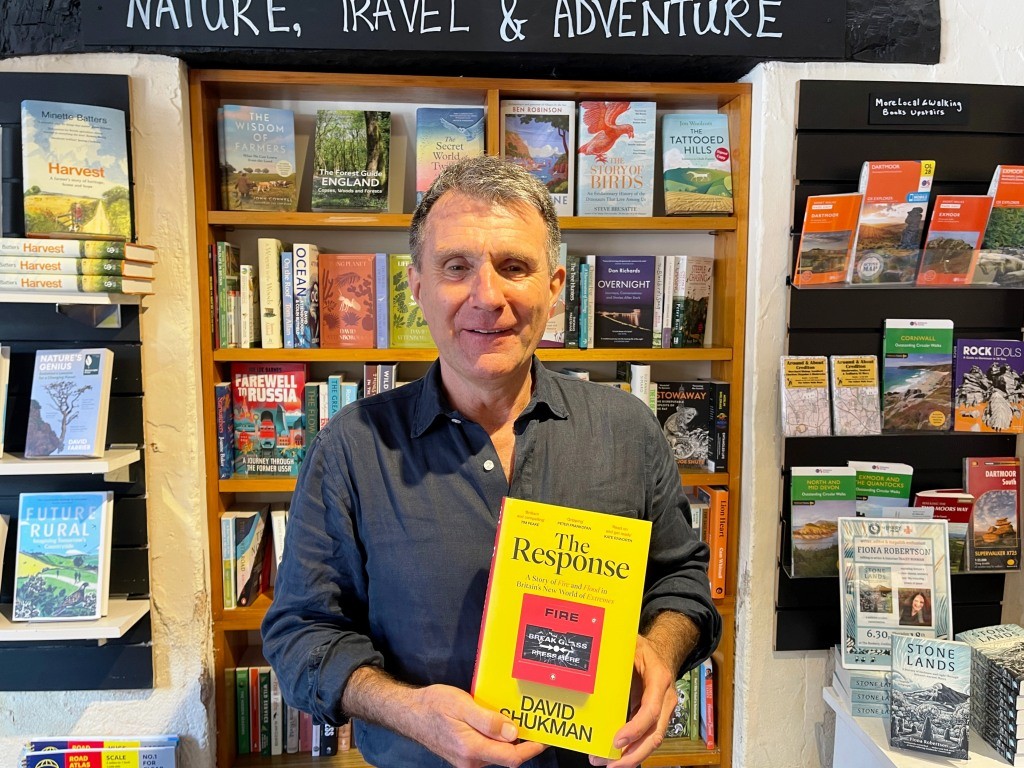
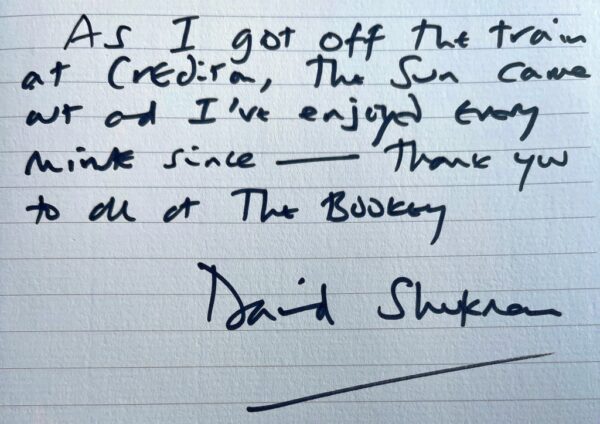
It was standing room only at The Bookery as we welcomed David Shukman in conversation with award-winning climate researcher and author Laurie Laybourn, with latecomers cheerfully perched on the stairs, determined not to miss an evening that proved as gripping as it was unsettling. Drawing on his latest book The Response, David took us to the frontlines of Britain’s climate reality – no longer a distant or abstract threat, but something already reshaping lives here at home.
 He began with a story that silenced the room: an elderly man in London, trapped in his basement flat as a summer storm overwhelmed the city’s drainage system, filling his home with a foul mix of water and sewage. Rescued through a front window by neighbours, he survived…but only just. It was a stark illustration of how extreme weather, once rare, is now arriving with a force our infrastructure simply isn’t built to withstand.
Yet alongside the gravity came moments of incredulity, even laughter. David recounted examples of official unpreparedness that felt almost absurd, prompting one audience member to liken them to an episode of Yes Minister. From hospital computer systems failing in extreme heat to rail tracks buckling and power lines sagging, the stories revealed a system struggling to cope. That nervous laughter in the room carried an edge: recognition that these are not isolated mishaps, but warnings.
 The science, as Laurie helped to explain to us so strikingly is clear. A warmer atmosphere holds more moisture (around 7% more for every one degree rise in global temperatures) meaning heavier downpours, more frequent flooding, and increasing strain on our towns and cities. Add to that the rising threat of urban wildfires from hotter more extreme summers and the picture becomes ever more urgent.
And yet, the evening did not end in despair. David spoke movingly of witnessing the fall of the Berlin Wall in 1989 and how fortunate he felt to be there. A moment when change came suddenly, driven by collective will and human courage. His message was simple but powerful: however daunting the climate challenge, it is still within our capacity to act and to adapt.
We left informed, unsettled — and, crucially, hopeful.
June 17, 2026
Blog > Features > A Wake-Up Call We Can Still Answer with David Shukman